

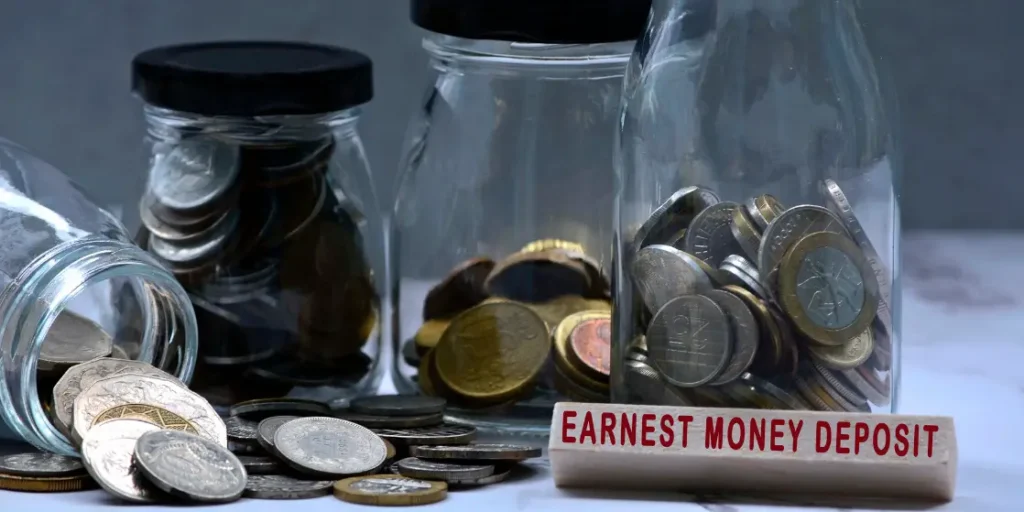
If you’ve been thinking about buying a home with a USDA loan, you may be asking what the importance of the Earnest Money Deposit is. The Earnest Money Deposit, also known as a good faith deposit, is an offer made by a buyer to show interest in buying a home.
Once the seller accepts the offer, it’s put into the purchase contract and becomes one of the first real estate transactions a buyer does. The earnest money funds are held in an escrow account, either by the title company, real estate broker, or an escrow company.
Earnest Money Deposits have become sort of the norm when it comes to making offers on homes. There’s a real chance that if you see a home you love and don’t make a suitable good faith deposit based on the sales price, you may actually lose the bidding war.
Additionally, depending on the offer, the Earnest Money Deposit can either be deposited directly to the seller once the purchase contract is executed or at the closing table. The Earnest Money Deposit can be used towards the down payment and closing costs upon a successful sale. Keep in mind that the Earnest Money Deposit does not cover home inspections or other costs.
How Much Are Earnest Money Deposits?
The amount of earnest money decided on by a borrower and accepted by a seller can differ. This is usually done when bidding on homes and a seller reviewing multiple offers. The most enticing of these offers usually come with the Earnest Money Deposit, or good faith deposit, which shows the desire and seriousness of a buyer.
The Earnest Money Deposit can be anywhere between $200 to 10% of the purchase price price of the home. As mentioned before, this amount is made as part of an offer from the buyer and is then solidified in the purchase agreement. The sales contract also dictates exactly what’s required for the earnest money to be returned.
Losing your Earnest Money Deposit
As a buyer, you can lose your Earnest Money Deposit in a home buying transaction that doesn’t make it to the closing table. If the buyer changes their mind during the home buying process, for example, they can most likely say goodbye to the good faith deposit. However, you can negotiate ways that you’d get the good faith deposit returned to you for very specific reasons.
For example, if the home appraises below the sales price, and the seller doesn’t want to go through with the transaction, you can get your Earnest Money Deposit back. Another example could be if there are too many repairs or the home is not structurally sound after either an appraisal report or home inspection, making that home ineligible for a loan program like USDA.
If the seller withdraws from the transaction for any reason, the Earnest Money Deposit must be returned, regardless of the reason. This is to protect the borrower. But keep in mind, if other specific contingencies aren’t agreed upon and added to the sales contract, you can lose your deposit.