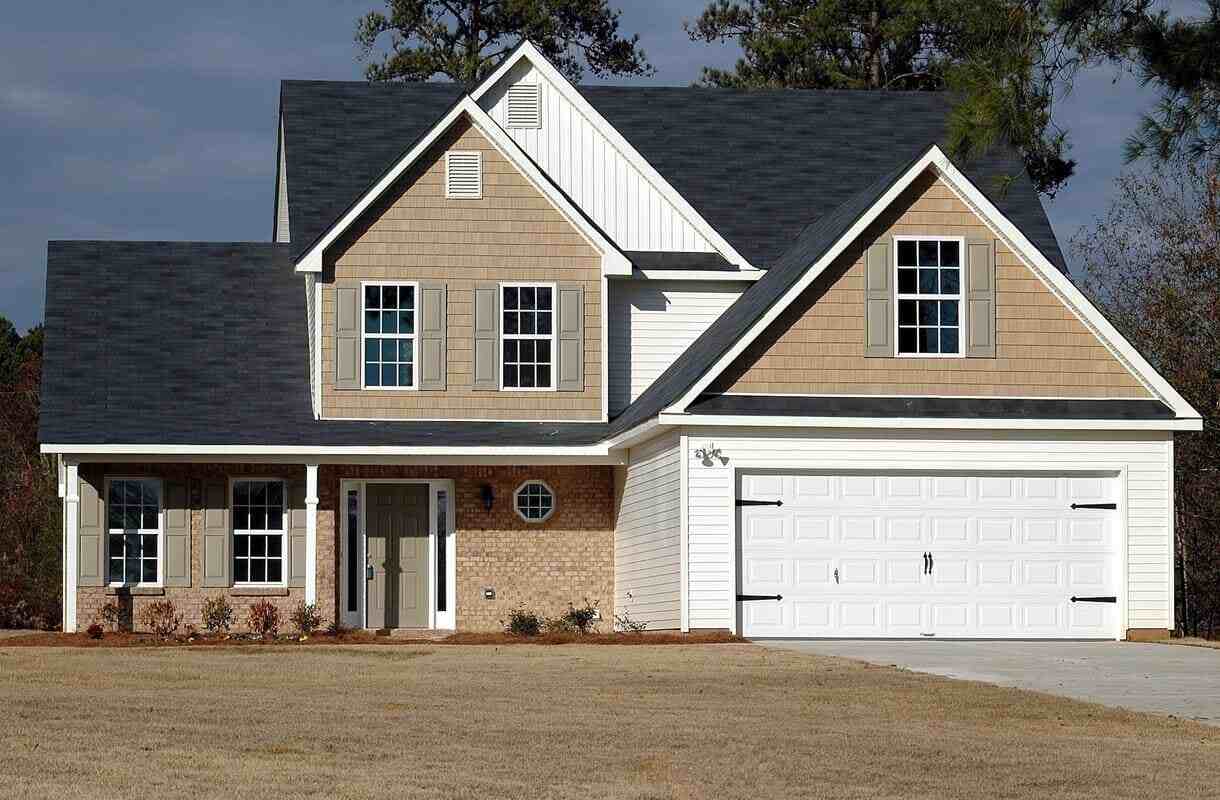



Make Your Home Exactly as You Want It
Many people find a home that can become their dream home, but it often requires some renovation and repairs before it can be realized. The current real estate market is tight, and many great properties come on the market but require renovations to be livable and enjoyable. Unfortunately, renovations can be challenging.
If you are looking at a fixer-upper with great bones or planning to renovate a home to modernize it, you may wonder how you can finance both the purchase and renovation costs. Freddie Mac’s CHOICERenovation loan is an innovative solution that combines home financing with renovation funding in a single, streamlined mortgage product. This product makes it easier to access the property market and purchase a home that, with some care, can become a spectacular asset.
What Is the CHOICERenovation Loan?
Freddie Mac’s CHOICERenovation is a specialized mortgage product that allows borrowers to finance both the purchase price of a home and the cost of planned renovations or improvements through a single loan. FMAC CHOICERenovation mortgages are designed to address a common challenge faced by homebuyers who find the right properties with excellent potential but need significant work to become comfortable homes.
Unlike traditional renovation loan options that only consider the current value of a property, CHOICERenovation bases the loan amount on the projected after-improved value of the home after the planned renovations. This approach provides access to a home equity loan that will be created through your improvement projects. You then have the necessary funds to complete the work without requiring separate construction loans or personal financing.
The renovation loan agreement operates on the principle that home improvements can increase property value. By financing these improvements through a mortgage, borrowers can capture this added value and spread the costs over the life of the loan. This structure eliminates the need for multiple financing sources, simplifying the entire process of buying and improving a home.
The loan covers a wide range of renovation projects, from basic updates like flooring and paint to major structural improvements such as kitchen and bathroom remodels, room additions, or system upgrades. The program’s flexibility lets you tailor your renovation plans to match your needs and budget constraints, all with the convenience of single-loan financing.
Who Benefits from CHOICERenovation
Freddie Mac’s CHOICERenovation suits many types of borrowers who share the common goal of buying and improving residential properties. This program is especially beneficial for buyers who recognize that the best value in real estate often lies in properties that require work but offer excellent potential for improvement.
First-time homebuyers
First-time homebuyers can make the most of this type of loan. New homes with all comforts can be expensive, especially for first-time homebuyers who might not have built-in equity for a significant down payment.
While looking at houses, you may have discovered that you can afford better neighborhoods or larger homes if you buy property types that need renovation work. CHOICERenovation lets you compete effectively for these properties as it finances the home’s potential rather than just its current condition.
Real estate investors
Are you a real estate investor? Renovation loans can help you finance the cost of fix-and-flip projects or rental property improvements as part of a traditional mortgage. When you include renovation costs in the mortgage, you have access to investment properties you can improve, resulting in higher rents and resale values. A Freddie Mac CHOICE Renovation loan offers more favorable terms than traditional investment property loans, combined with separate renovation financing.
Growing families
Your family is growing, and you need additional space, but you prefer staying in the current neighborhood. You can use this renovation loan to make additions or reconfigurations. Rather than selling your current home and buying a larger new home, you can add bedrooms, expand living areas, or create home offices through renovation loan financing.
Empty nesters
Empty nesters often want to downsize or age in place. If this is your case, you may find renovation loans helpful in updating your home to meet your changing lifestyle. You can use renovation financing to create a new accessory dwelling unit, main-floor master suites, update bathrooms for accessibility, or modernize kitchens and living spaces. You can even renovate your home for investment purposes.
Homebuyers with a vision
You may belong in the homebuyer category with a specific vision and design preferences. You can opt for renovation loans instead of buying already updated properties. With this loan, you can control the homestyle renovation loan process, as you can choose your own materials and finishes, and create home improvement projects that reflect your personal style and needs rather than accepting someone else’s design choices.
How CHOICERenovation Loans Work
The process for a CHOICERenovation loan is more demanding than that of conventional loans because it must evaluate both the existing home’s property value and the projected post-renovation value.
Property selection
The process begins with property selection and initial planning for renovation. As a borrower, you must first find the property you wish to purchase and renovate, then develop detailed plans for the intended improvements.
Your plans must include specific renovation goals, preliminary cost estimates, and timeline projections. The level of detail required depends on the scope of work; however, lenders need sufficient information to understand the project’s feasibility and its likely impact on property value.
Professional contractor
Then you must get detailed bids from licensed contractors for your planned unit investment property. Freddie Mac’s CHOICERenovation bids must explain the cost of renovations and show the project’s feasibility. This detailed outline gives lenders confidence regarding renovation plans. The contractor selection process often influences loan approval, as lenders prefer established, licensed professionals with proven track records.
Property appraisal
The property appraisal phase is two-fold.
The first appraised value establishes the property’s current value in its existing condition, while the second determines the projected value after the planned renovations are completed.
This “subject to completion” appraisal requires the appraiser to evaluate the likely impact of the renovation work on the manufactured home’s market value. The difference between these valuations helps determine the maximum loan amount available to the borrower.
Loan structuring
The CHOICERenovation loan structuring holds renovation funds in escrow until work is completed. Rather than providing all funds at closing, lenders often release renovation money in stages as work progresses and passes inspection. This staged funding approach protects both you and the mortgage lender. This process ensures that the funding is used for the intended purpose, while the lender verifies that the work meets agreed-upon standards before releasing additional funds.
Construction phase
The construction phase requires ongoing coordination among the borrower (you), the contractor, and the lender. Renovations must be inspected to verify that work is progressing according to plan and meets quality standards. Lenders may ask for professional inspections at various stages of completion before releasing additional funds. This oversight keeps the project on track and guarantees that the final result will support the projected property value used in loan calculations.
Final inspection
Once renovations are completed, it’s time for a final inspection and appraisal to confirm that the work has been completed and that the property value meets or exceeds projections. Once this verification is complete, any remaining escrowed funds are released, and the loan converts to a standard mortgage with regular monthly payments based on the total loan amount.
Benefits of CHOICERenovation
The most significant benefit of a CHOICERenovation loan is that it combines purchase and renovation in a single loan financing.
Financial efficiency
When you combine the purchase and renovation financing, you can usually get better interest mortgage rates than you would get through separate construction loans or personal funding for improvements. Also, traditional construction loans typically offer shorter terms than permanent mortgages.
Access to equity
The possibility to finance based on after-improved value gives you access to equity that doesn’t yet exist but will be created through improvements. You can thus undertake more extensive renovations than your current financial resources might otherwise support. For example, a borrower purchasing a home for $200,000 that will be worth $280,000 after $50,000 in improvements can potentially finance the entire $250,000 project cost based on the projected final value.
Competitive advantage
In markets where quality properties receive multiple offers, properties that require significant renovation are often overlooked and have less competition from buyers. Sellers of such properties frequently receive fewer offers. As a loan borrower, you could negotiate better purchase prices.
Tax advantages
Tax advantages may apply to renovation loan interest, as the entire loan amount qualifies as mortgage debt for tax purposes. Separate personal loans or lines of credit don’t have this favorable tax implication. Consult with tax professionals to check the impact on your specific situation.
Better financial organization
The structured approach to renovation funding provides budget discipline and project oversight that many borrowers find helpful. The requirement for detailed contractor bids and staged fund releases helps keep projects within budget and meet quality standards. This oversight can prevent cost overruns and ensure that renovation work adds the expected value to the property.
Long-term financing terms
Long-term financing terms allow you to spread renovation costs over the life of the mortgage rather than repaying them through shorter-term construction loans. This extended repayment period can reduce monthly payment obligations and improve your cash flow when undertaking big improvement projects.
Requirements and Qualification Criteria
All borrowers must meet standard mortgage qualification criteria and show their ability to manage renovation projects successfully.
Credit requirements
Credit requirements for renovation loans usually exceed those of standard mortgage products. Most lenders require a credit score of 640 or higher, and many prefer a score above 680. The higher credit standards reflect the increased complexity and perceived risk of renovation projects. If you have a strong line of credit history, you are considered more creditworthy and are better equipped to manage complex projects and multiple contractors effectively.
Income level and DTI
According to the income documentation, you are required to show stable employment and sufficient income to support the total mortgage loan amount. The debt-to-income calculations use the projected monthly payment on the entire loan amount, including renovation costs, rather than just the purchase price.
Down payment
Down payment requirements often exceed those of conventional mortgages, ranging from 10% to 25% of the total project cost, depending on the loan program and borrower qualifications. The larger down payment requirement reflects the increased risk associated with renovation projects.
Cash reserves
Cash reserve requirements frequently apply to renovation loans. Lenders often require borrowers to have additional reserves beyond the standard mortgage requirements. These reserves serve as a buffer against potential cost overruns or unexpected project complications. Reserve requirements range from two to six months of mortgage payments, depending on the project scope and borrower profile.
Contractor requirements
Lenders ask borrowers to work with licensed, bonded contractors who carry appropriate insurance coverage. Some lenders have approved contractor lists or require contractors to meet specific qualification criteria. The contractor’s experience, reputation, and financial stability can influence the loan approval process.
Project documentation
As a borrower, you must provide architectural plans, engineering reports when required, detailed contractor bids, and a list of the materials to be used. The level of documents required depends on the project complexity, but lenders need sufficient information to assess project feasibility and likely outcomes.
Property requirements
Property requirements may include restrictions on property age, condition, or type. Some renovation loan programs exclude properties with certain types of damage or require properties to meet minimum habitability standards. Investment properties may face additional restrictions or require higher down payments than owner-occupied homes.
Drawbacks and Considerations
Extended timeline
The extended timeline is a pressing drawback of renovation loans. The approval process typically takes longer than for traditional mortgages due to additional documentation requirements, contractor coordination, and property evaluation.
Construction delays can further extend the timeline, which can be stressful, especially if you need to coordinate temporary housing or storage during renovation periods.
Cost overruns
Cost overruns are a constant risk in renovation projects, and renovation loans don’t automatically provide additional funding when projects exceed their budgets. You must cover cost overruns through personal funds or additional financing. Careful project planning and management are necessary to be prepared.
Interest rates
Unlike traditional mortgages with fixed closing dates, renovation loans often involve extended construction periods during which interest rates may fluctuate. Some lenders offer rate locks that extend through construction completion, while others may require borrowers to accept the risk of fluctuating rates during the construction phase.
Contractor dependency
Project success depends on contractor performance, reliability, and financial stability. Contractor problems can delay projects, increase costs, or compromise the quality of work. The staged funding structure provides some protection, but you still face risks from contractor issues.
Inspection and approval
Inspection and approval processes can create delays and complications throughout the construction phase. Multiple inspections may be required at various stages of completion, and any issues that arise during inspections can halt fund releases until the problems are resolved. This oversight can slow project progress and create frustration for borrowers and contractors.
Managing the renovation project
The complexity of managing renovation projects while living in temporary housing creates lifestyle disruptions that many borrowers underestimate. It takes time and patience to coordinate construction schedules, material deliveries, and inspection requirements alongside work and family obligations.
Market risk
Market risk affects renovation loans more than traditional mortgages because the loan amount is based on projected future value rather than current market conditions. If property values decline during the renovation period, you may find yourself with a loan that exceeds your home’s actual market value upon completion.
Project Types and Scope Considerations
CHOICERenovation accommodates an extensive range of improvement projects. The loan program generally favors improvements that add clear, measurable value to properties. Lenders typically stay away from projects that might be considered over-improvements for the neighborhood.
Kitchen and bathroom
The kitchen and bathroom are ideal projects for such loans. Lenders finance renovations such as these because they provide strong returns on investment and clear value increases that appraisers can easily quantify. Complete kitchen remodels, bathroom additions, or luxury bathroom upgrades often justify their costs through increased property values.
Structural improvements
Structural improvements and additions often work well with renovation loans when they meet explicit functional needs. Room additions, garage conversions, basement finishing, or attic conversions can increase usable space and property value. These projects require professional contractors and substantial investments, which align well with mortgage-rate financing.
System upgrades
System upgrades, including electrical, plumbing, and HVAC improvements, qualify for renovation loan financing. These improvements, while not always visible, can impact property value and buyer appeal. Energy efficiency improvements can provide additional benefits through utility savings and potential tax credits.
Exterior improvements
Exterior improvements, such as roofing, siding, windows, and landscaping, can qualify for renovation loan financing when they substantially improve the property’s condition and curb appeal. These improvements often yield strong returns on investment and can significantly improve a property’s market position within its neighborhood.
Accessibility
Accessibility modifications are an increasingly significant category of renovation loan projects. Age-in-place conversions, such as ramp installation, bathroom accessibility upgrades, or main-floor bedroom additions, can improve property functionality and increase market value.
Projects that don’t work well
Home renovation projects that don’t work well with renovation loans include luxury improvements that exceed neighborhood standards, highly personalized modifications with limited market appeal, or maintenance items that don’t add significant value. Swimming pools, exotic finishes, or over-the-top customizations may not be fully appraised for their actual value. If you want to include such renovations in your project, you could be required to pay for renovations through your personal finances.
Society Mortgage for your FMAC Choice Renovation Loan
CHOICERenovation loans are an excellent financing option for borrowers who want to purchase and improve properties through a single, coordinated process. These loans are best suited for borrowers who have a clear vision for their renovation, a realistic budget, and the patience to manage complex projects from start to finish.
Are you a good project manager?
Consider your project management experience and comfort level with construction oversight. Successful home renovations require the active involvement of buyers and owners in coordinating with contractors, making informed decisions, and overseeing quality control. If you prefer a more hands-off approach to home ownership, you may find renovation loans more stressful than expected.
Timeline flexibility
Assess your timeline flexibility and housing alternatives during the construction period. Renovation projects frequently experience delays. Borrowers must be prepared for extended construction periods, which necessitate flexible temporary housing arrangements. Alternatively, you must be willing to live in partially completed homes.
Financial cushion
Assess your financial cushion for potential cost overruns and unexpected expenses. Even well-planned renovation projects can encounter surprises that increase costs. Homeowners looking for renovations should maintain additional reserves beyond lender requirements to cover unforeseen situations without jeopardizing project completion.
Local real estate market
Consider the local real estate market and neighborhood characteristics when you plan your renovation project. Improvements must align with neighborhood standards and buyer expectations to ensure that renovation investments translate into increased property value. Over-improving for the neighborhood can result in renovation costs that aren’t fully recovered in property value.
At Society Mortgage, we understand that turning a house into your dream home often requires both vision and financial resources. CHOICERenovation is designed to provide the financing flexibility you need to purchase and improve properties through a single, streamlined process.
Our team of CHOICERenovation loan product advisors can help you assess whether a renovation loan matches your homeownership goals. Our Loan Officers are here to help you with the necessary documentation and requirements, so contact us today and get started on the home that fits your expectations!